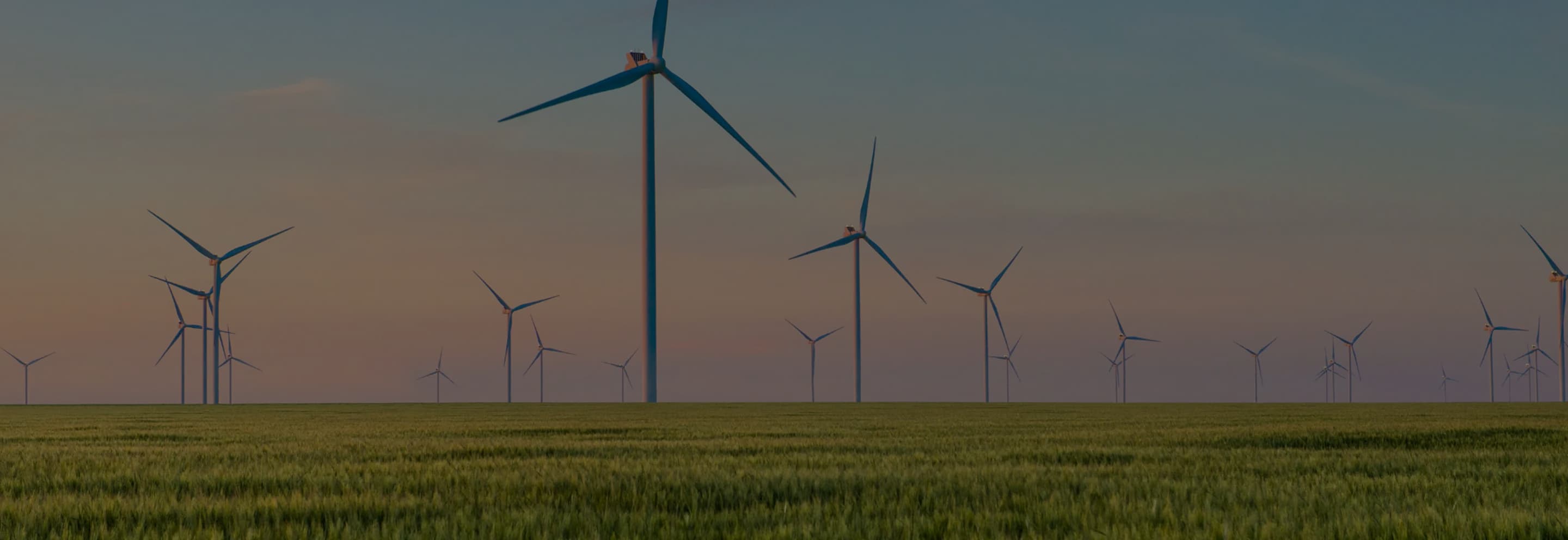
A new kind of energy infrastructure campus.
Local power paired with on-site greenhouses, designed to give more than it takes.
Abundant local energy—and local opportunity.
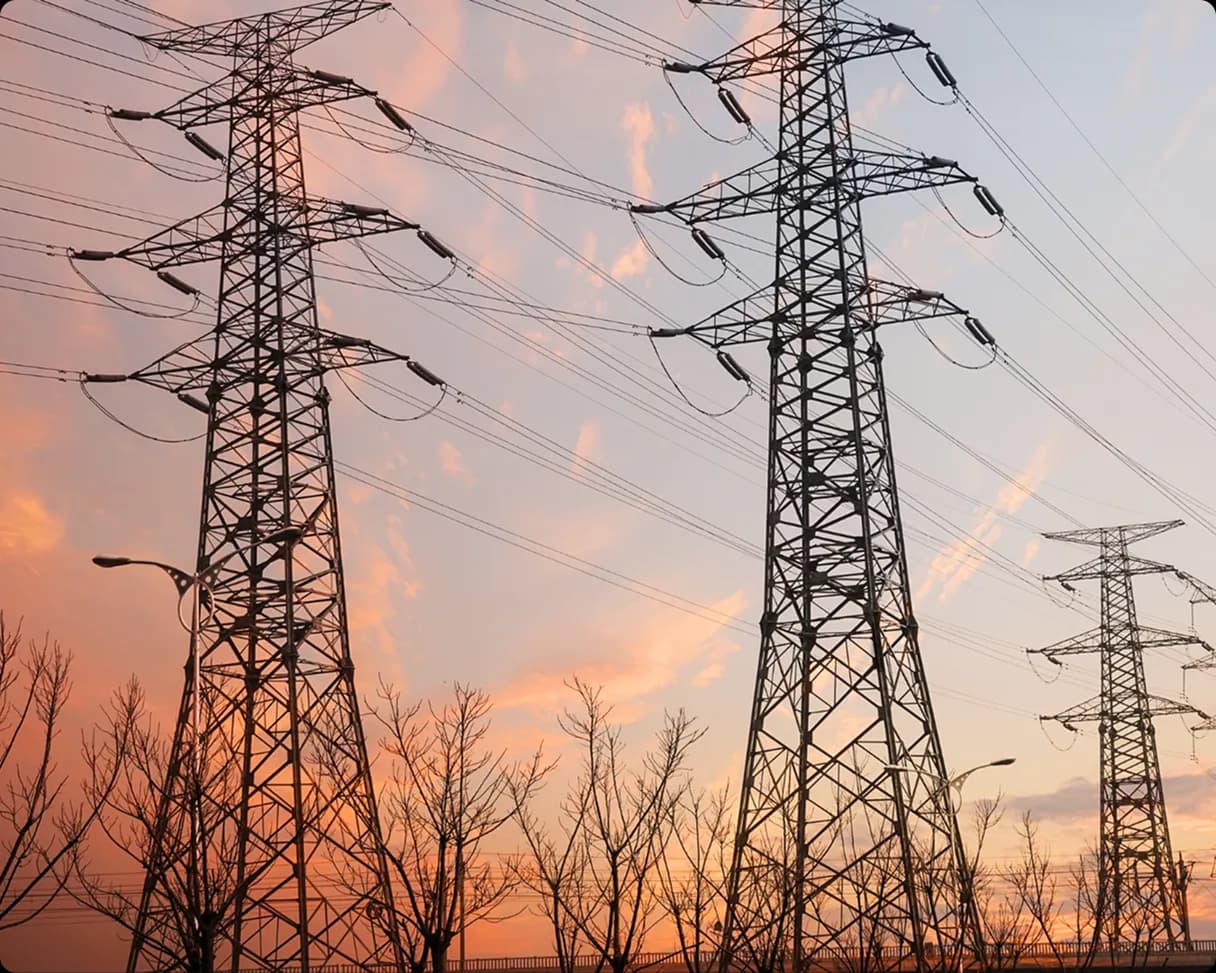
EnergiAcres designs behind‑the‑meter power systems that sit on the same campus as the load, so large users can access firm, reliable energy years faster than waiting on traditional grid upgrades. By generating power on site and integrating renewables where possible, we ease pressure on the wider grid while creating local jobs in construction, operations, and maintenance.
Stable energy pricing through on‑site supply.
Because power is produced and managed on the campus itself, long‑term contracts can lock in more predictable energy costs than volatile utility rates. This helps data‑intensive tenants plan with confidence while giving communities a more stable economic base.
Capture carbon to grow healthy food.
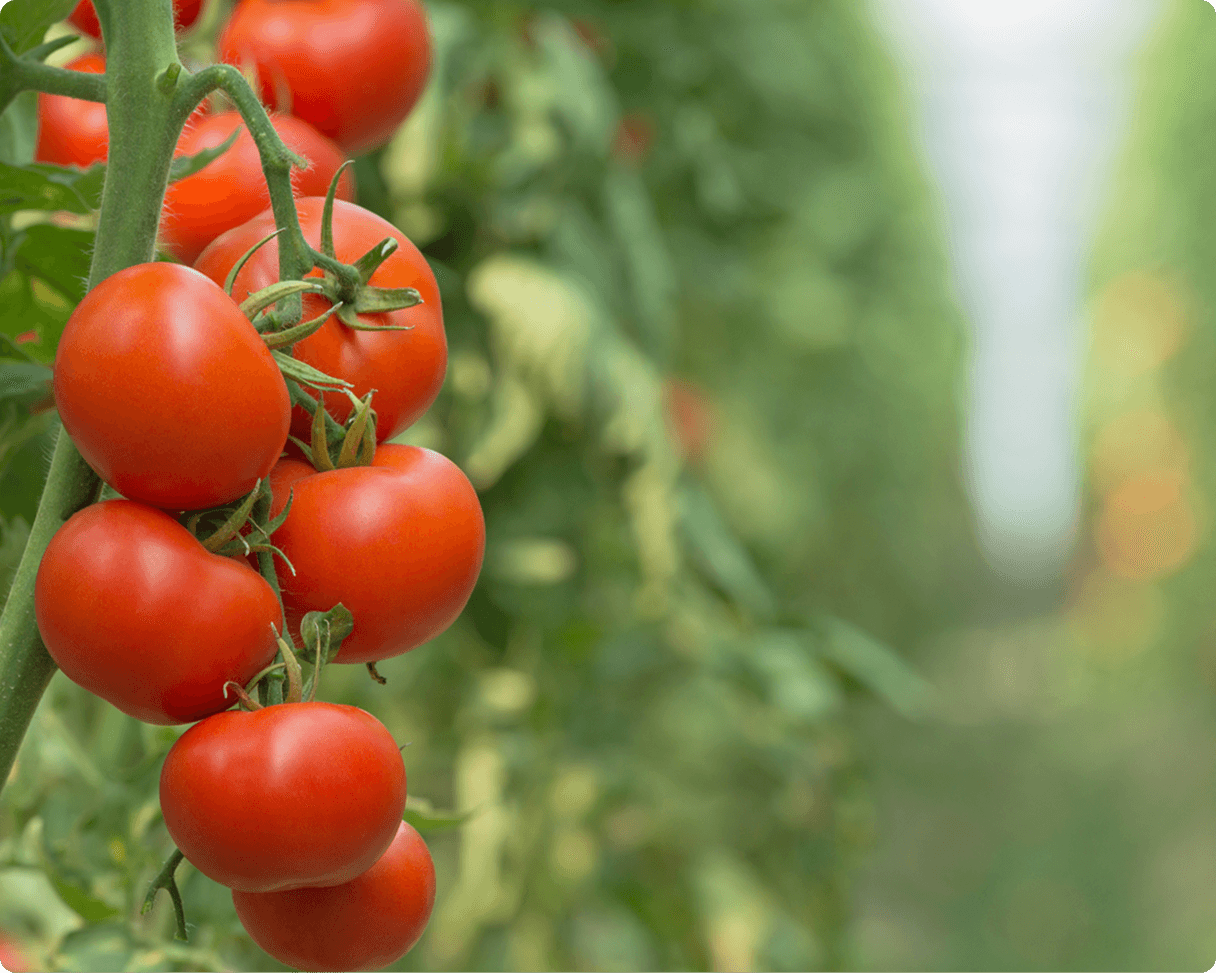
We route captured heat and food‑grade carbon from power generation into high‑tech greenhouses, where both become inputs for plant growth instead of waste. Elevated CO₂ and steady warmth help crops grow faster and more reliably, even in cold climates and shoulder seasons.
Real jobs. Real food. Rural revival.
These greenhouses create year‑round roles for growers, technicians, and local suppliers, turning a typical “server farm” into a real farm next door. The result is more fresh produce for local schools, hospitals, and grocery stores—and a new anchor industry for rural communities.
Built‑in water resilience.
Campus roofs and cooling systems are designed to capture rainwater and collect condensation, storing it on site for reuse. This reduces reliance on municipal supplies, lowers water bills, and adds a buffer in times of drought or stress on local systems.
Rainwater to cooling—and to crops.
Captured water is first used to support efficient cooling of power and computing equipment, then directed to irrigate adjacent greenhouses. One system serves two critical needs, shrinking withdrawals from local aquifers and making the whole campus more self‑reliant.

Integrated Flow
Power → Data → Heat → Greenhouse → Food/Jobs/Community